MVP validation: how to test an idea before you build it
 Alipio Gabriel
·
·
5 min read
Alipio Gabriel
·
·
5 min read

Most projects that fail don’t fail at launch. They fail six months earlier, when someone decided to build the full product before confirming anyone wanted it. MVP validation is the discipline of avoiding that trap, and it’s the first conversation we have with almost every founder who comes to us with a new idea.
What MVP validation actually means in practice
A minimum viable product is not a half-finished product. It’s the smallest version of your idea that lets real users do the core thing and give you signal worth acting on. Validation means you’re running that experiment on purpose, with defined questions and a threshold for what counts as a yes.
The questions are usually some version of: will strangers pay for this, use it repeatedly, and tell other people about it? You don’t need a production-ready app to start answering them. You need just enough to make the test honest.
The builds we see skip validation (and what happens next)
A client comes in with a detailed spec. They’ve mapped every feature, picked a color palette, maybe even named their pricing tiers. The brief looks thorough. What’s usually missing is any evidence the market agrees with the assumptions baked into that spec.
We’ve seen this pattern enough times that we now ask directly: have you sold this to anyone yet? Not “would you use this” conversations at a dinner party. Actual sales, signups with a credit card attached, or a waitlist with enough names to be statistically embarrassing if you ignored it. That question makes some founders uncomfortable, which is itself useful information.
When validation gets skipped, the build absorbs the risk. Scope grows. The original six-week timeline becomes four months. And the first real user feedback arrives after tens of thousands of dollars are already committed to a specific direction.
A practical sequence for validating before you commission a build
We’re a development studio, so recommending that clients delay building might sound odd. We do it anyway, because projects that start with validated demand are more focused, easier to scope, and far more likely to reach a second phase. Here’s the rough sequence we walk founders through.
Start with a landing page. A single-page site that explains the value proposition, shows who it’s for, and collects emails or pre-orders. This can go live in days, not weeks. If you can’t write a clear headline for the landing page, the idea isn’t ready to build yet either.
Drive real traffic to it. Not friends sharing the link, but paid ads or direct outreach to people in the target segment. A $300 Facebook or Google campaign is a cheap way to find out whether your headline resonates before you pay for a full product.
Get on the phone with the people who signed up. Especially the ones who didn’t convert. Their objections are the product roadmap you didn’t know you needed.
Only after that conversation do you scope the actual build. At that point, you’re not guessing at features. You’re building what the evidence points to.
When a lightweight build is the right validation tool
Sometimes the idea is complex enough that a landing page undersells it, and you genuinely need users to experience the core workflow before they can give useful feedback. That’s when a focused MVP build makes sense, and it’s where we can help through our custom web apps work.
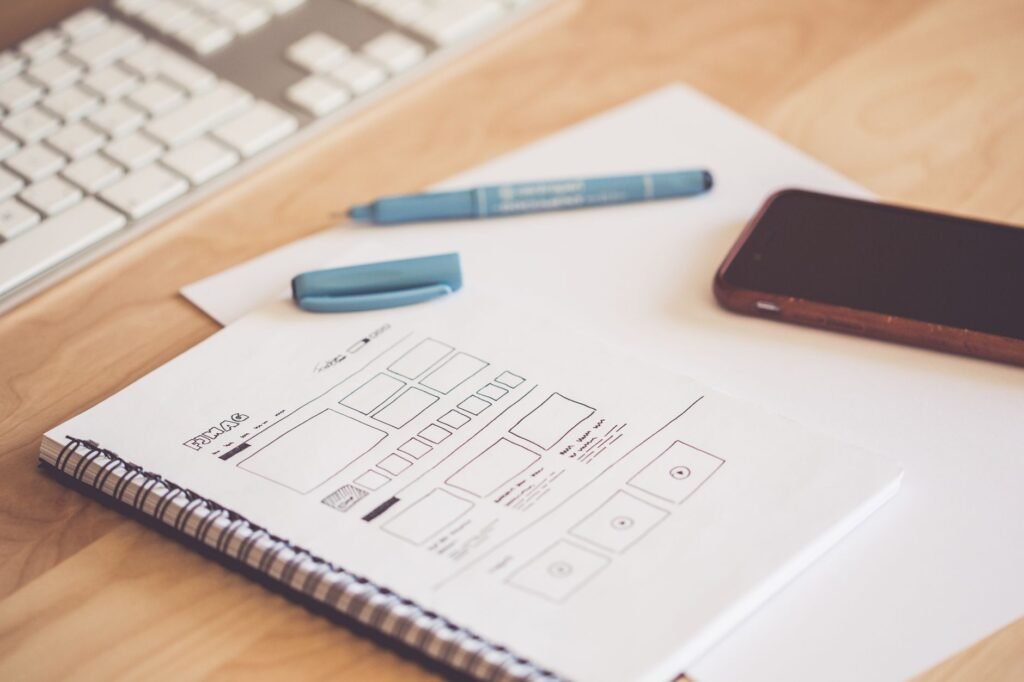
The discipline here is ruthless scoping. An MVP build for validation purposes should cover exactly one user journey, nothing more. No admin dashboard with 14 report types. No integrations with tools the first hundred users may never touch. We use Figma to prototype the core flow first, pressure-test it with the founder, then build the thinnest version that makes the test real. A focused build like this might run $5,000 to $10,000. A full-featured launch product from the same idea might be three times that. The sequence matters.
Before you commission anything, ask yourself these questions
- Can you name five real people (not friends or family) who have said they would pay for this?
- Do you have a clear, single metric that will tell you the MVP succeeded or failed?
- Is the core value of the product testable without every feature on your list?
- Have you written down what happens if the test fails, including whether you pivot or stop?
- Is the timeline and budget you’re imagining realistic for a test, or have you already mentally committed to a full launch?
What comes after a successful validation
When the signal is good, the build gets easier. The scope is cleaner because you know which features moved users and which ones were just assumptions. Founders who’ve done the validation work make faster decisions during development because they’ve already stress-tested their own thinking.
From there, a validated MVP can grow into a custom WordPress build for content-heavy or commerce-driven products, or continue as a web app depending on what the product needs. We scope that conversation honestly based on what you’re actually trying to accomplish, not the largest project we can sell you.
If you’re sitting on an idea and not sure whether to build or validate first, that uncertainty is worth talking through before any money moves. Book a free 30-minute call and we’ll tell you plainly what we’d do in your position.