5 key signs your website needs a redesign
 Vin Doliente
·
·
Updated
·
6 min read
Vin Doliente
·
·
Updated
·
6 min read
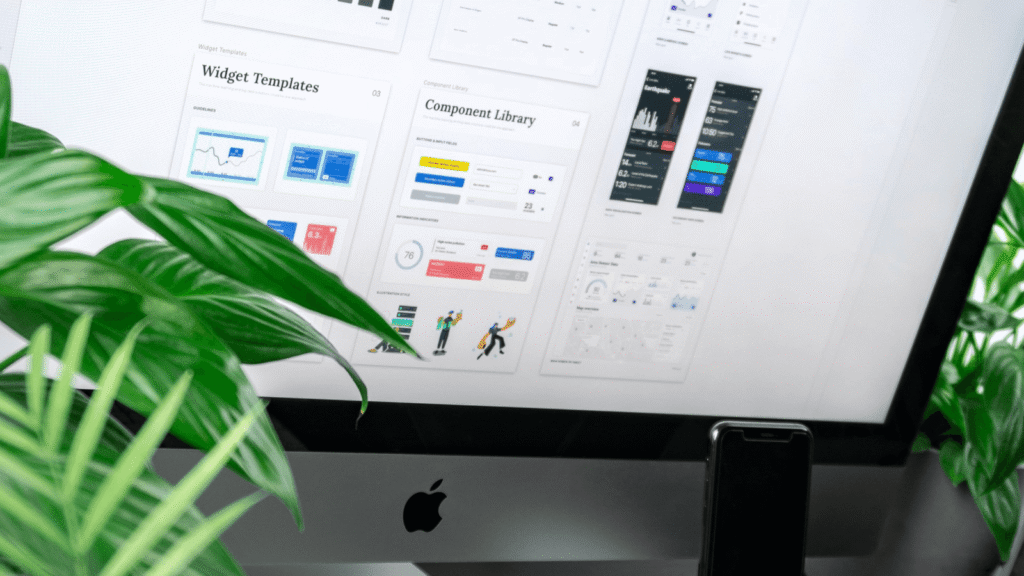
Your website is often the first real conversation a potential client has with your business. If that conversation opens with a slow load, a layout that breaks on mobile, or branding from three years ago, the redesign conversation is already overdue.
We see these patterns constantly in our discovery calls. The site looked fine at launch. Then the business grew, Google’s expectations shifted, and nobody quite found the time to address it. Below are the five signs we use to tell clients it’s time to act.
1. The design reads as dated the moment someone lands on it
Web design trends move fast, and a site that felt clean and modern in 2020 can feel stale today. Cluttered layouts, small body text, heavy use of stock photography, hero sections with no clear call to action: these aren’t just aesthetic complaints. Research consistently shows that users form a visual impression within milliseconds, and 75% of consumers admit to judging a company’s credibility based on its website design. That judgment happens before they read a single word.
On our end, the fix usually starts in Figma. We prototype the new direction before touching the CMS, so there are no surprises when we move into a WordPress build using Gutenberg or Elementor Pro. Our brand and visual system work often runs alongside a redesign for exactly this reason: if the logo and color palette haven’t been revisited either, updating just the site produces a half-measure.
2. Visitors are leaving without doing anything
High bounce rate, low time on page, contact form submissions that have stalled: these are UX problems wearing analytics clothes. Poor navigation, confusing page hierarchy, calls to action buried below the fold, or a checkout flow that adds unnecessary steps all push users toward the back button.
Google Lighthouse, GTmetrix, and Hotjar together give a clear picture of where the friction is. Lighthouse flags Core Web Vitals failures. Hotjar shows where users stop scrolling or rage-click. When a client brings us those reports, the redesign scope practically writes itself.
One number worth keeping in mind: 88% of online consumers are less likely to return after a bad experience. A redesign that fixes navigation and page structure is not a cosmetic exercise. It’s a retention exercise.
3. The site struggles on mobile
Mobile devices now account for more than half of global web traffic, and Google’s mobile-first indexing means the mobile version of your site is the version Google actually evaluates for ranking. If your site requires pinching to read paragraphs, has tap targets too small to hit reliably, or collapses key layout elements on smaller screens, you are losing both users and search visibility at the same time.
A proper redesign solves this at the structural level, not by bolting a responsive stylesheet onto an otherwise desktop-only build. Every template we deliver is tested across real device sizes before handoff. If your current site was built before 2019 and has never had a mobile-focused audit, that alone may justify a rebuild. Google’s Mobile-Friendly Test takes about thirty seconds and is worth running right now.
4. Search rankings have quietly slipped
SEO is where a lot of older sites quietly bleed. Missing or duplicated title tags, no structured data, images without alt text, slow page load times, a sitemap that hasn’t been updated since the site launched: none of these are catastrophic individually, but together they add up to a site that Google deprioritizes.
A redesign is the right moment to fix the technical foundation. We run a full audit before scoping any rebuild, covering site architecture, Core Web Vitals, internal linking, and on-page signals. Our SEO and technical audits often surface issues that have been sitting unnoticed for years. Rank Math or Yoast SEO handles the ongoing on-page layer, but the audit has to come first so you know what you’re actually fixing.
Page speed deserves its own mention here. Google has confirmed site speed as a ranking factor, and a bloated theme or unoptimized image library can easily push Largest Contentful Paint past the 2.5-second threshold. If a full rebuild isn’t on the table yet, our WordPress speed optimization service addresses this as a standalone engagement.
5. The site no longer reflects the business running behind it
This one is easy to overlook because it happens gradually. Services change, the team grows, the positioning sharpens, but the website still describes the company as it existed two or three years ago. Old service pages stay live. New offerings aren’t mentioned. The brand voice on the site doesn’t match how you actually talk to clients.
When the gap between what you do and what your site says you do gets wide enough, prospects notice. We’ve had clients come to us after losing a proposal where the competitor’s site just looked more current, not necessarily better built, just more current.
A redesign is the forcing function that closes that gap. It’s also the right time to evaluate whether the current platform still fits. Sometimes a polished WordPress theme is the right call. Sometimes the business has outgrown it and a custom WordPress build with a more structured content model serves better. We scope that honestly rather than defaulting to whichever answer is more work.
How to decide if a redesign is the right next step
Run through this quickly before you commit budget:
- Does the site pass Google’s Mobile-Friendly Test and score above 70 on Lighthouse for mobile performance?
- Has organic traffic held steady or grown over the past twelve months?
- Does every service or product page reflect what you actually sell today?
- Would you send a prospect directly to the homepage without apologizing for it?
- Is the visual design consistent with your current brand across logo, colors, and typography?
If you answered no to two or more of those, a redesign is worth scoping. If you answered no to four or five, it’s overdue.
We’ve been building and rebuilding WordPress sites for clients worldwide since 2011. If your site is showing any of these signs, we’re happy to take a look. Book a free 30-minute call and we’ll tell you honestly what we think it needs.